A switch is selected on operating life first, and the spread in the KINGCONN catalog is 2 orders of magnitude: from 10,000 cycles to 100,000, 200,000, 300,000 and 1,000,000. A detection switch that actuates on every card insertion or lid close burns through life far faster than a configuration key — estimate total actuations over the service life, then pick the class. All values come from the part drawings.
Operating life: work out the total actuations first
| Class | What it is for | Typical use |
|---|---|---|
| 10,000 cycles | configuration, almost never actuated | internal mode selection |
| 100,000 cycles | user keys actuated occasionally | reset and function keys |
| 200,000 / 300,000 cycles | actuated several times a day | panel keys, lid detection |
| 1,000,000 cycles | actuated on every card insertion or lid close | card detect, door detect |
Switch types in the catalog
| Type | What it is | Where it goes |
|---|---|---|
| Tact switch | closes on press, opens on release | panel keys, reset |
| Thin-film / sheet | profiles from 0.55mm | fits under a card slot for presence detection |
| Slide switch | 2 or more detented positions | mode selection, factory configuration |
| DIP switch | 2P to 10P at 1.27 / 2.54mm pitch | address setting, industrial control boards |
| Rocker / rotary | large visible travel on the panel | power or mode, state visible at a glance |
Catalog models cover 2P to 10P configurations at 1.27mm and 2.54mm pitch in both through-hole and surface-mount. Low-profile options start at 0.55mm — thin enough to sit under a card slot for presence detection.
Where these switches are used
Typical uses across the catalog families: card and lid detection, mode selection, and reset or user keys on industrial control boards and consumer devices. Detection switches usually pair with a card socket — see the microSD guide for the card-detect discussion on the socket side.
KINGCONN switches
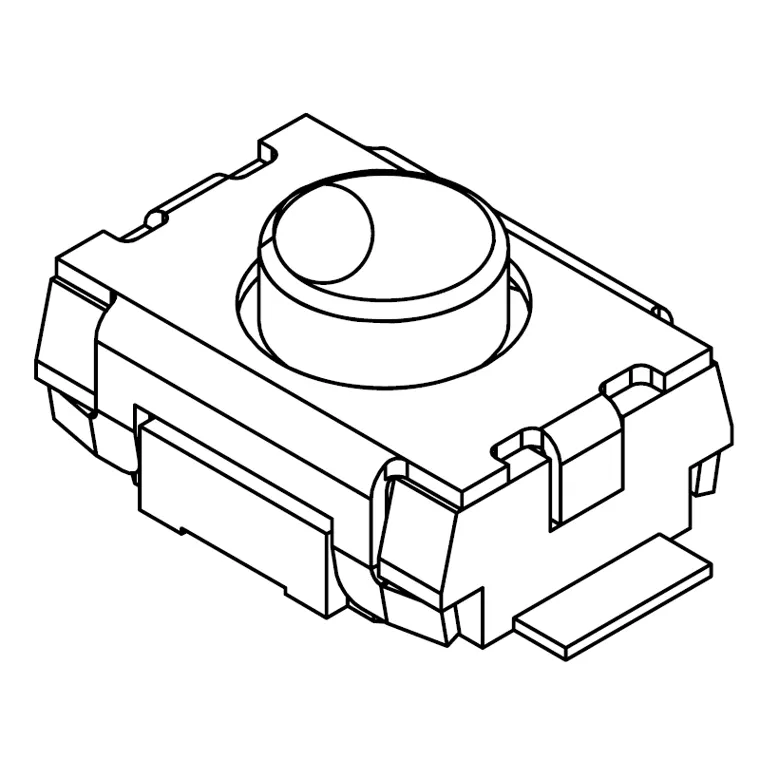 7WHTE-F0-0055Tact Switch
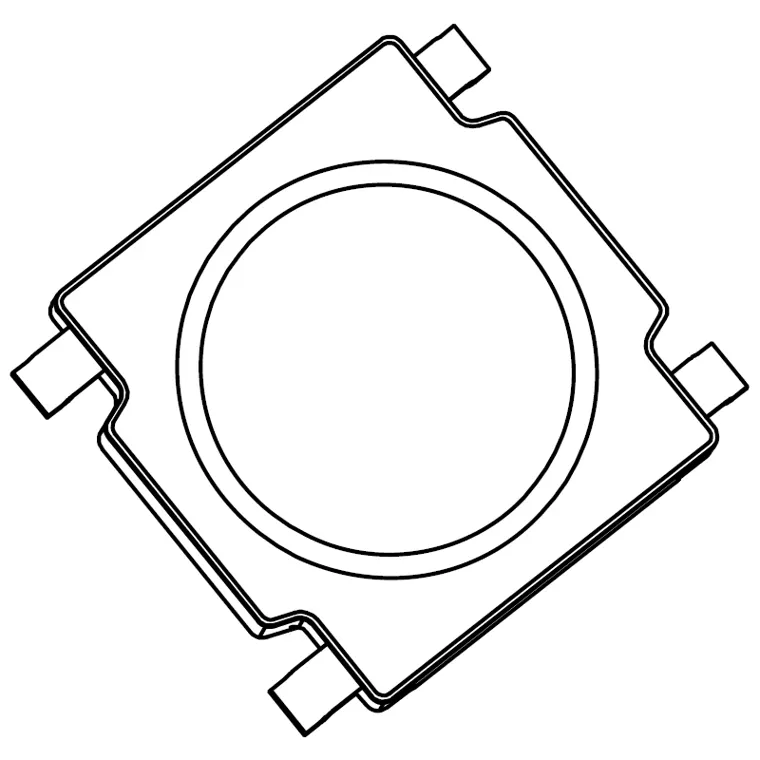 7WHTE-F0-0052Membrane Tact Switch
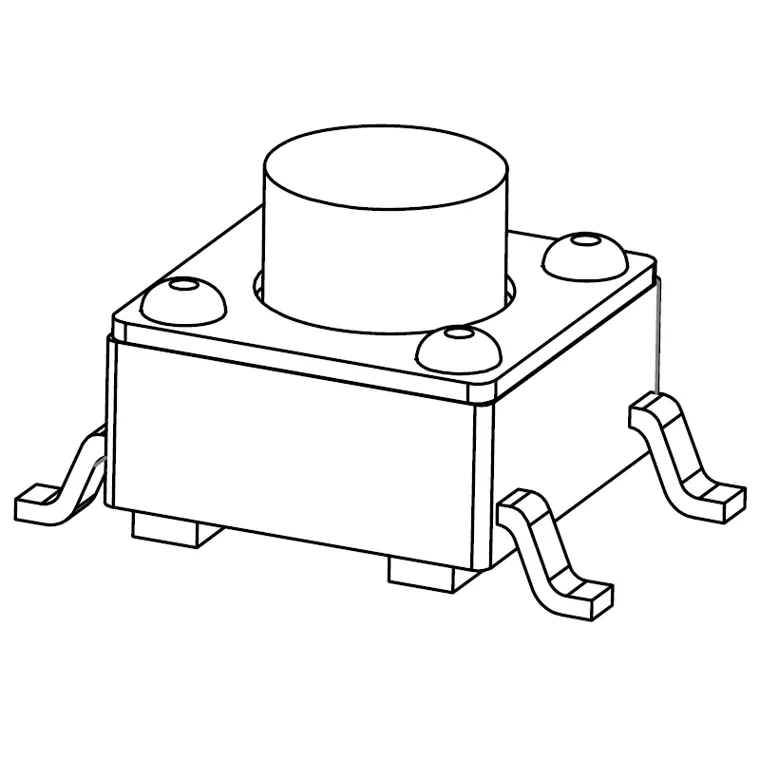 7WHTE-F0-3081-XTACT SWITCH
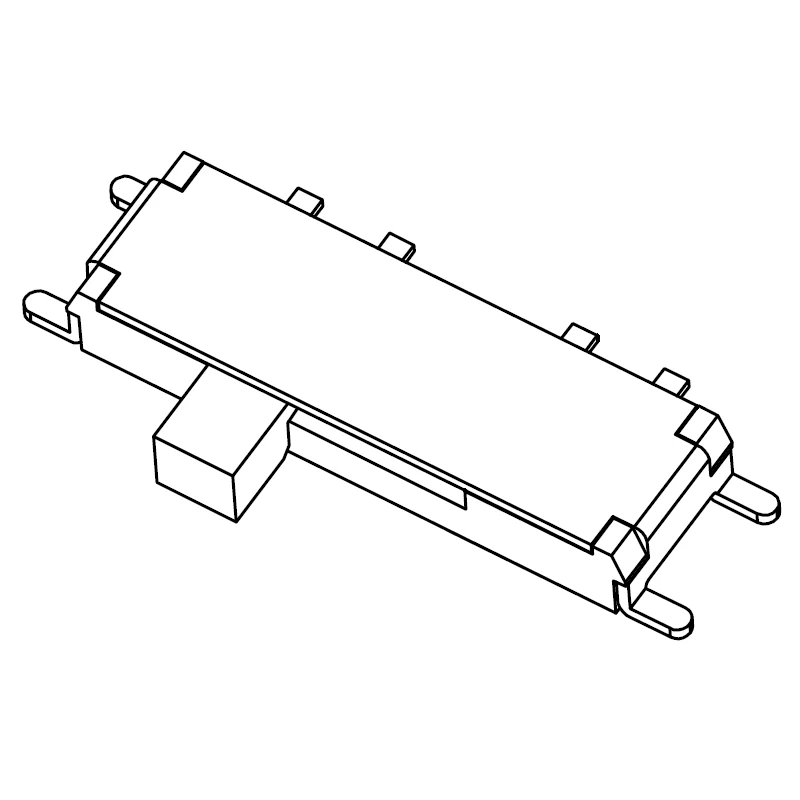 7WHTE-F0-0064SLIDE SWITCH
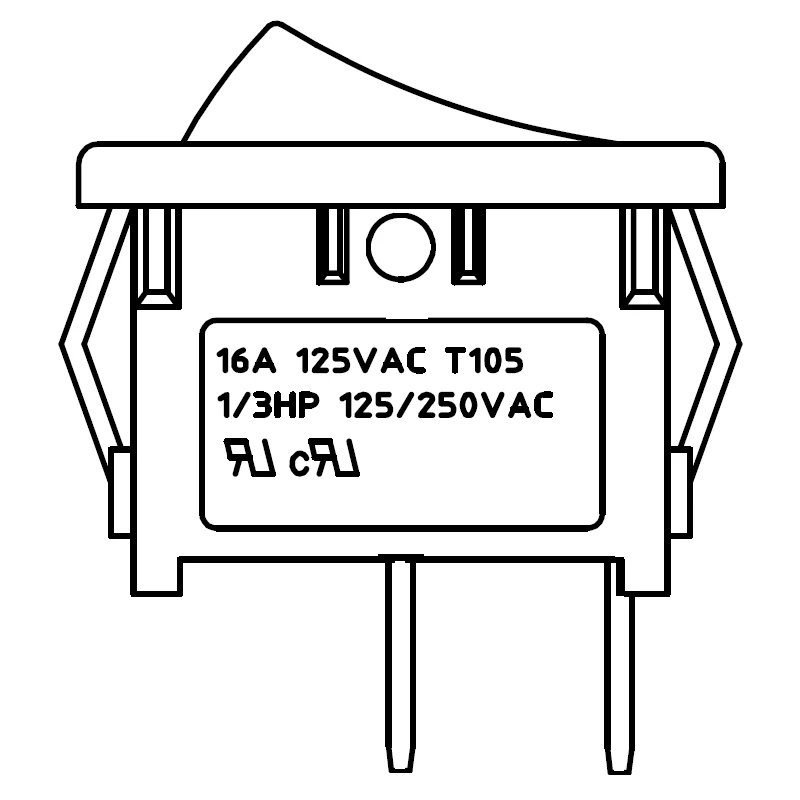 7WHTE-F0-3038ROCKER SWITCH
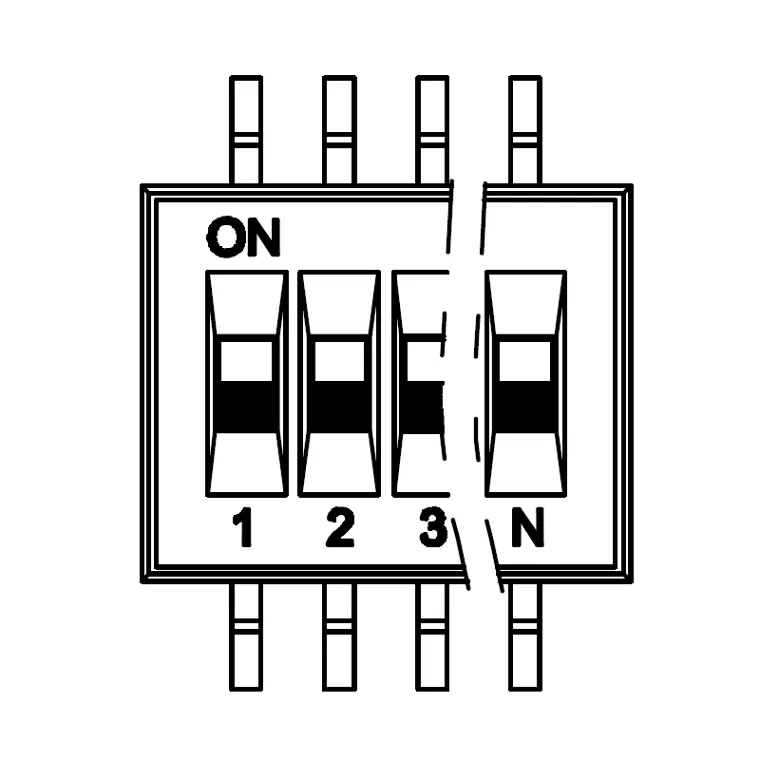 7WHTE-F0-S028SMT DIP Switch
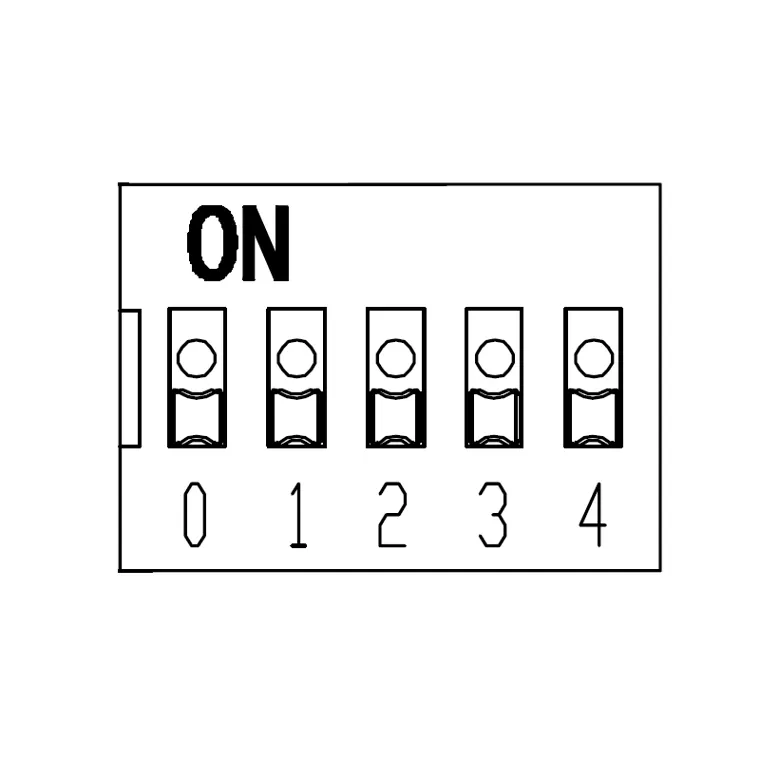 7WHTE-F0-GL67-05-LDIP SWITCH "01234" 5POS
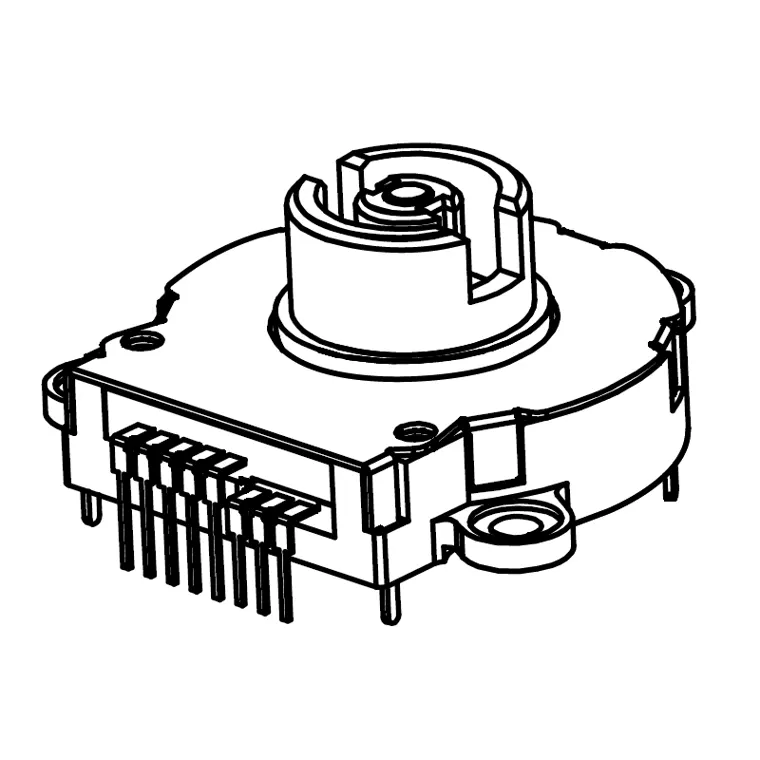 7WHTE-F0-0228Continuous Rotary Switch
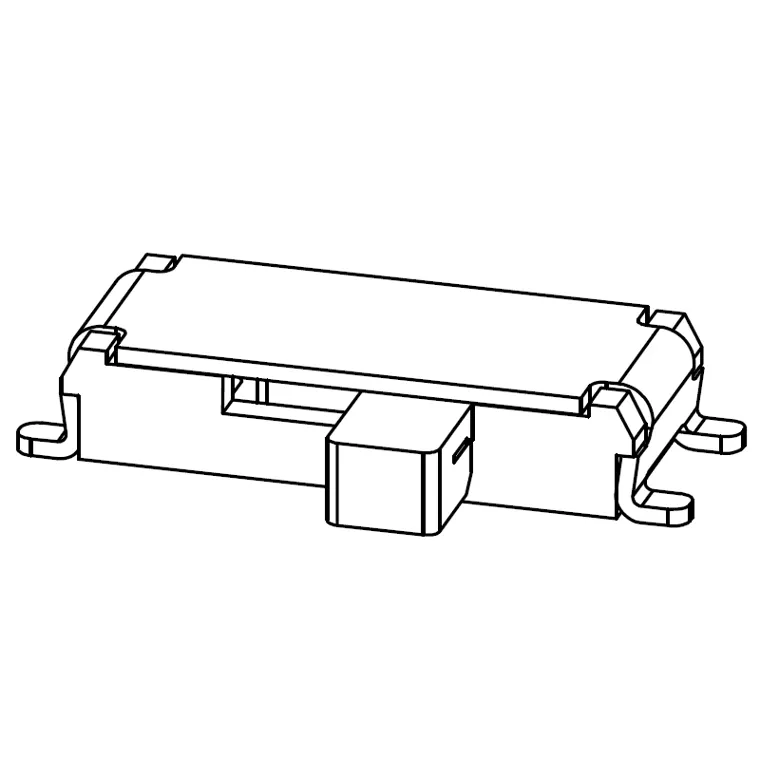 7WHTE-F0-0063Toggle Switch
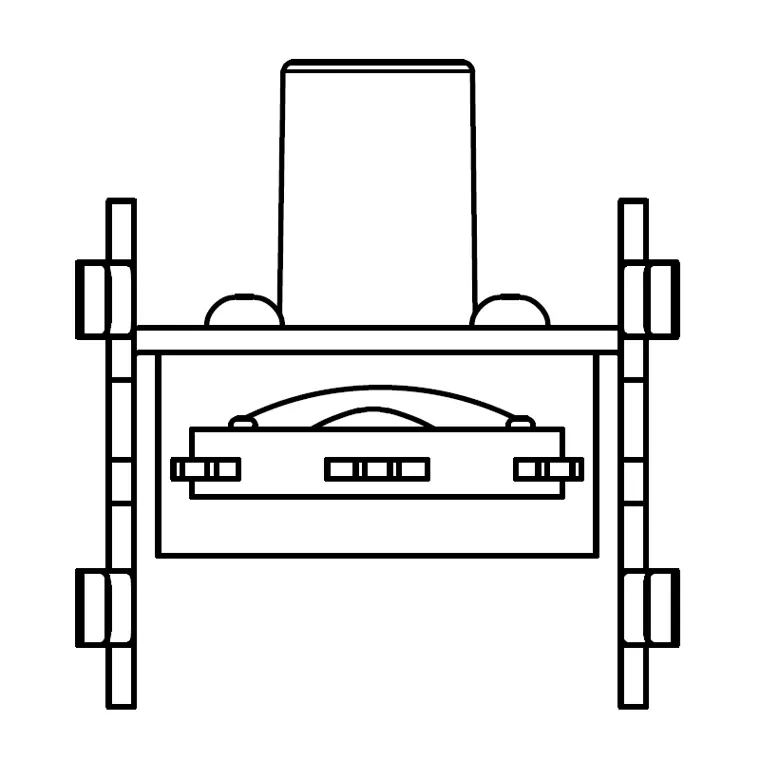 7WHTE-F0-3054XXXXDual Push Rod Switch
19 switch models: tact, thin-film, slide, rocker, DIP and rotary types in through-hole and surface-mount.
Materials and RFQ
Housings are high-temperature thermoplastic rated UL94V-0; contacts are copper alloy or brass with silver-based contact surfaces on some models. RoHS compliant, and every published value carries its source drawing number. See the Switch series page for all 19 models, or send your actuation count, travel and mounting to service@kingconn.com.tw.