Which part numbers are in the CFAST series?
7 part numbers: 7CFST-CA-0002, 7CFST-CA-0013, 7CFST-CA-0017, 7CFST-CA-0022, 7CFST-CA-0029, 7CFST-CA-0033, 7CFST-F0-0006
What contact pitches are available in CFAST?
7 of the 7 part numbers in this series state this parameter on the drawing: 1.27 mm (7 part numbers)
How many contacts can CFAST be supplied with?
Contact counts span 24–24; the values offered are: 24
What is the operating temperature range of CFAST?
6 of the 7 part numbers in this series state this parameter on the drawing: -40°C~+85°C (6 part numbers)
What materials and plating does CFAST use?
Housing: 3 of the 7 part numbers in this series state this parameter on the drawing: Engineering plastic , LCP with G.F reinforced , black per UL 94V-0 rate (2 part numbers); LCP (1 part number)
Plating: 3 of the 7 part numbers in this series state this parameter on the drawing: Solder zone: 2.54 μ m (100 μ ") matte Tin 1.27 μ m (50 μ ") min. Nickel underplating over all (2 part numbers); GOLD PLATED (1 part number)
UL rating: 6 of the 7 part numbers in this series state this parameter on the drawing: UL 94V-0 (6 part numbers)
What mounting and body types does CFAST offer?
1 of the 7 part numbers state a type in their description: NORMAL (1 part number); SMT (1 part number)
How do I request a drawing or samples for CFAST?
Email service@kingconn.com.tw with the part number. Clicking any part card on a product page also pre-fills the enquiry subject with that part number. Our sales team will reply with the drawing, samples and pricing.
Can CFAST be customised?
Yes. The Taoyuan R&D team covers the full path from design and tooling to volume production, including medical-device ODM experience. Send us the application and the requirement, and sales and engineering will assess it together.
Are CFast connectors and CF card connectors interchangeable?
No. CFast cards use a SATA interface with a different contact layout from CompactFlash, so they need a CFast-specific socket. KINGCONN has both a
CF series and the CFAST series; when the card type changes the socket changes with it — see the
CF / CFast / CFexpress guide.
Should I choose a push-push, non-push or lock type CFast socket?
Push-push when users swap cards often; non-push when the card is installed once or enclosure space is tight; lock type when vibration or anti-loosening matters. All three are in the KINGCONN catalogue and named in each part description.
Is there a drawing for each CFast connector?
Yes. Click any part card on this page to open the part page and download its engineering drawing (PDF); the dimensions, materials and plating in our spec tables are transcribed from those drawings.
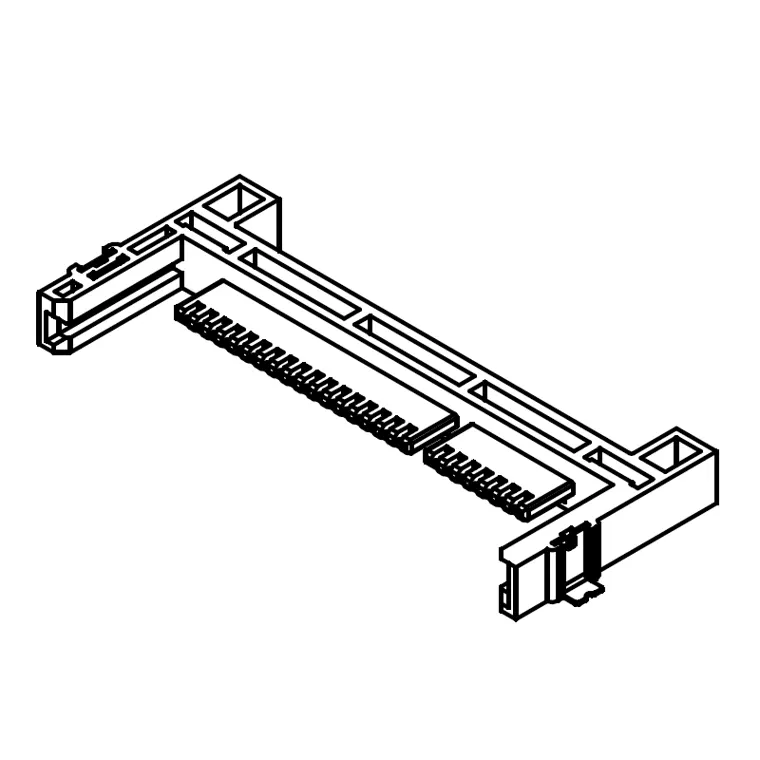 7CFST-CA-0029CFast Host 4.3H Simple Type (Short Pin 1)
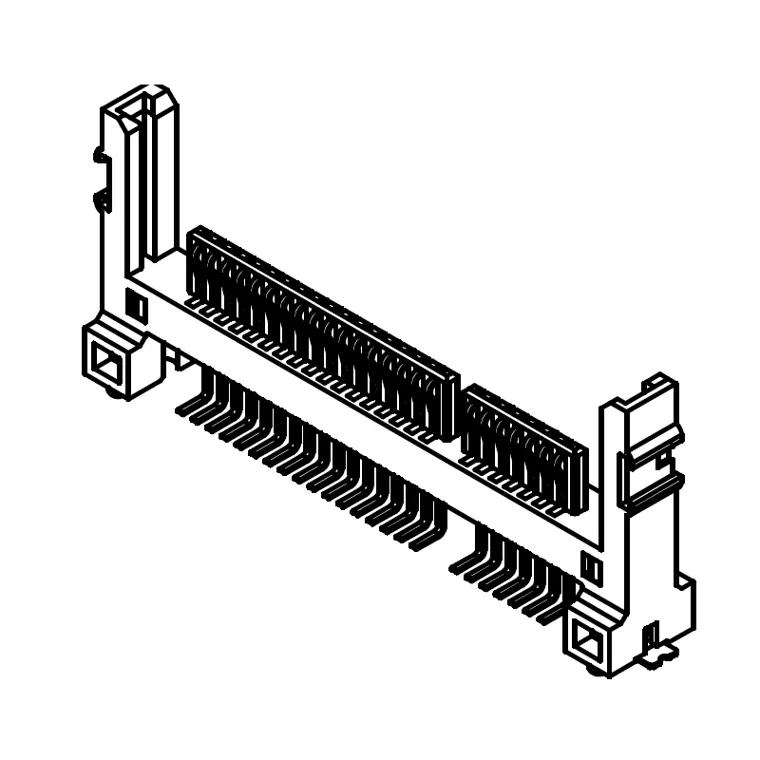 7CFST-CA-0033Cfast host_Stand off
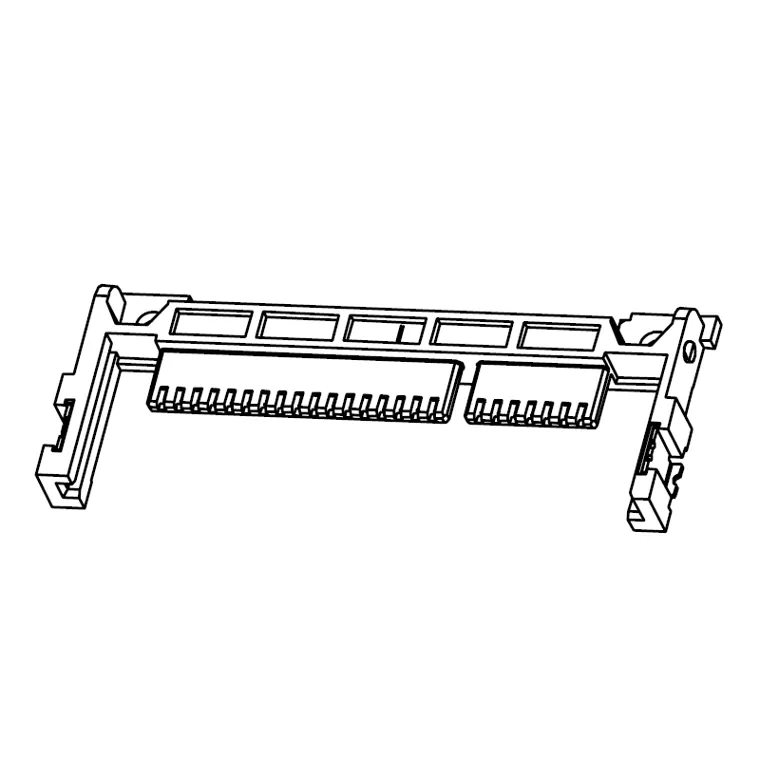 7CFST-F0-0006CFast Short Arm
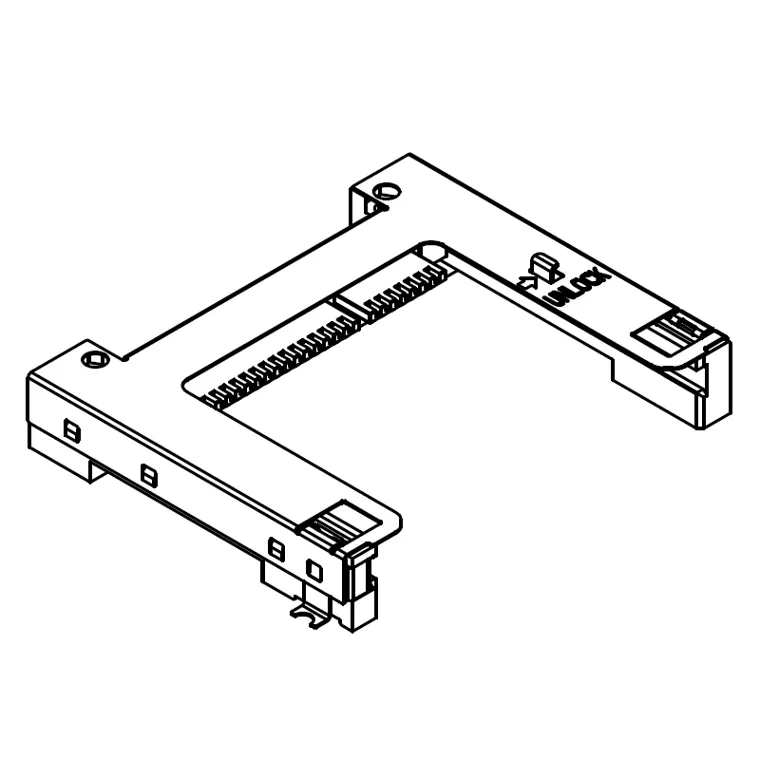 7CFST-CA-0002CONNECTOR FOR C-FAST HOST TYPE R/A SMT NORMAL TYPE
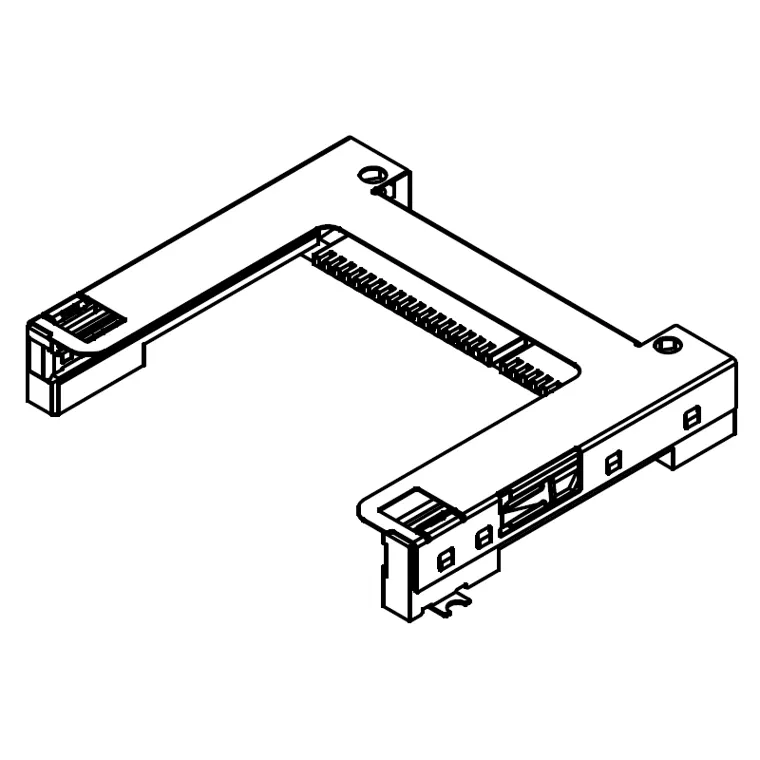 7CFST-CA-0013CFast Host Connector Non-Push Type II, 8.35H (Notched Type)
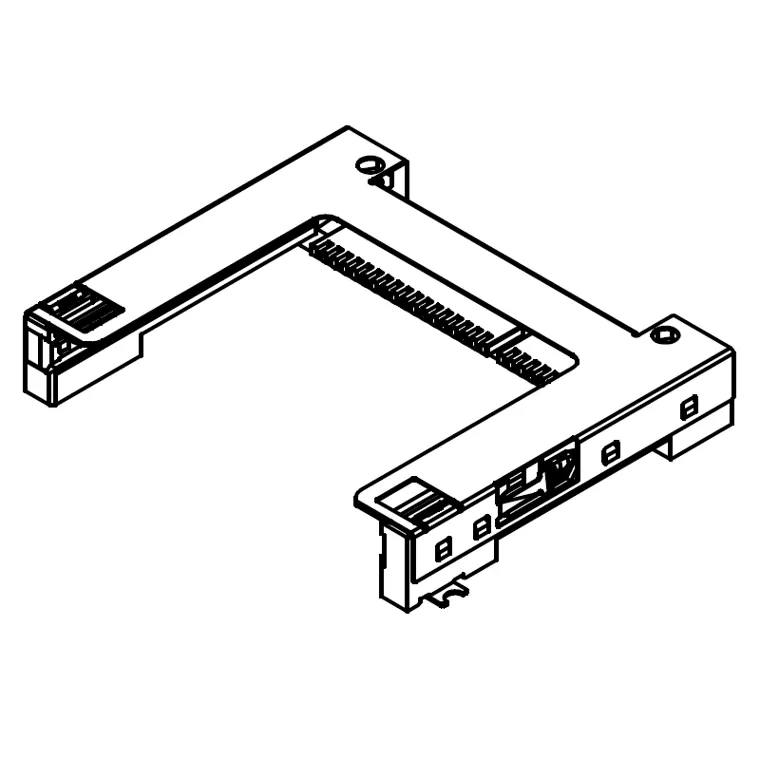 7CFST-CA-0022CFast Host Connector Push-Push Type II, 8.35H (Notched Type)
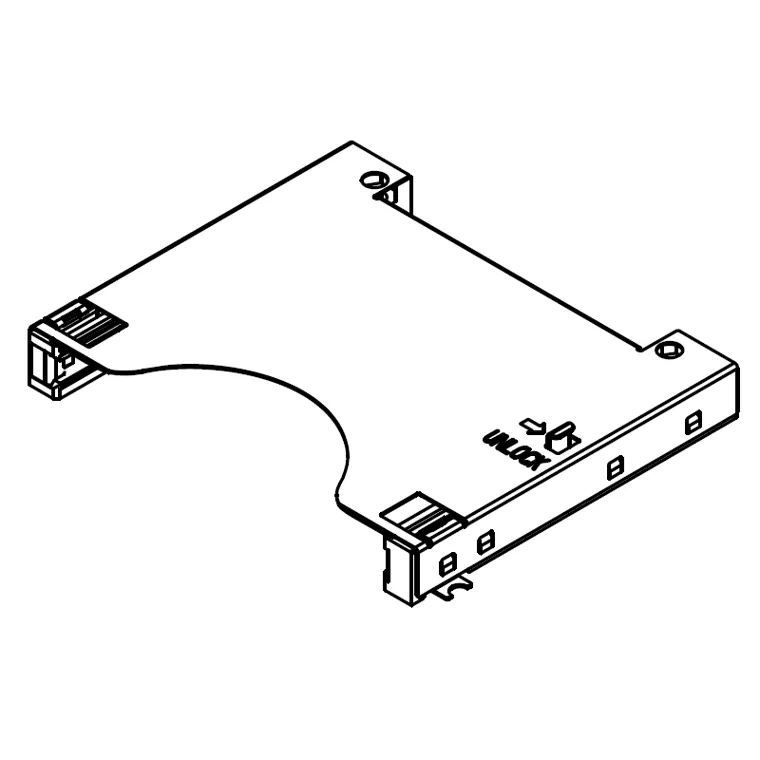 7CFST-CA-0017CFAST HOST CONNECTOR LOCK TYPE II.