Choosing an SD card socket comes down to 4 values: bus generation, profile height, eject mechanism and durability class. The KINGCONN standard SD catalog lists 15 models at 2.85mm and 2.95mm profile with 5,000 or 10,000 mating cycles; the SD 4.0 (UHS-II) series adds a second contact row at 1.2mm pitch in 2.90mm to 3.20mm profiles. Card dimensions and the 9-pad contact assignment follow the SD Association specification; every KINGCONN value comes from the drawing published on the part page.
Standard SD or SD 4.0 (UHS-II)?
The first fork is the bus generation. The standard SD series covers the single-row interface used by POS terminals, printers, instruments and dashcams; the SD 4.0 series adds a second contact row at 1.2mm pitch for UHS-II cards — choose it when the host controller has UHS-II lanes. For the PCIe generation see the SD Express socket guide, and for the pinout and bus table see SD card socket types.
Eject mechanism: what the user does to get the card out
| Mechanism | How it works | When to use it |
|---|---|---|
| Push-push | insert to latch, push again to eject | user-swapped slots; no ejector-lever clearance |
| Push-lock | latched after insertion, push to release | high-vibration machines where the card must not walk out |
| Normal / simple | card pulled straight out, no eject mechanism | factory-fitted cards; shortest body, lowest cost |
| Reverse | contacts face the board, card face flipped | saves a board flip when the panel opening is on the other side |
The card standard says nothing about the mechanism, so this is entirely a product decision. Push-push is the default for a user-facing slot. Push-lock suits equipment that vibrates. A normal (simple) socket has the fewest moving parts and the shortest body, which is why it survives in cost-driven designs where the card is fitted once.
Profile height and board orientation
Catalog profiles for standard SD are 2.85mm and 2.95mm; SD 4.0 models span 2.90mm to 3.20mm. If the socket sits against the enclosure opening, fix the insertion depth early as well — it sets the front-panel cut-out. Reverse-type models flip the card orientation so the panel opening can sit on the other side of the board.
Durability class
The catalog lists both 5,000 and 10,000 cycle classes. Specify the high class for dashcams and field loggers where the user pulls the card; a configuration card fitted at assembly does not need it.
KINGCONN standard SD sockets
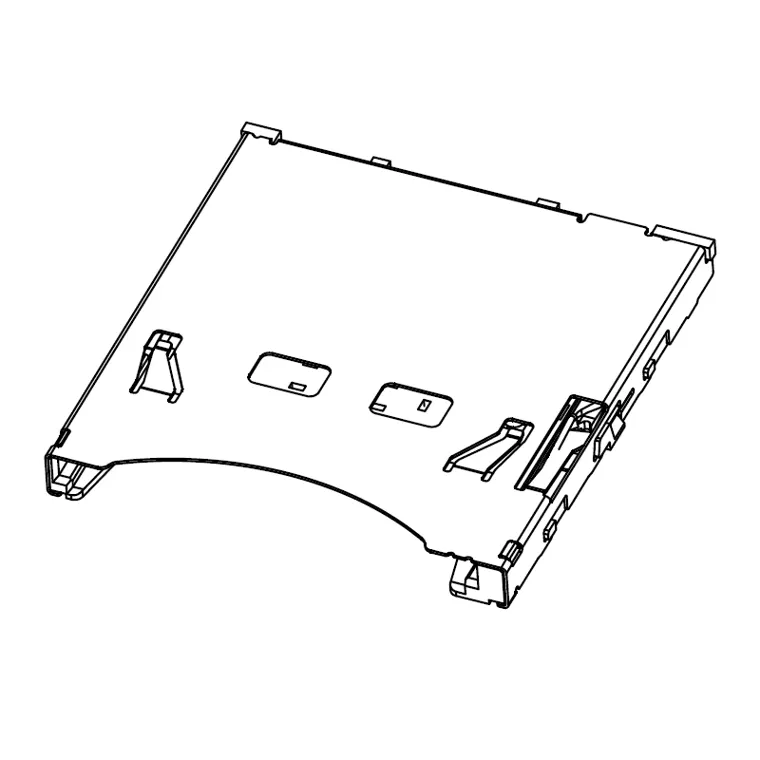 7SDCN-F0-1012SD PUSH H:2.85mm
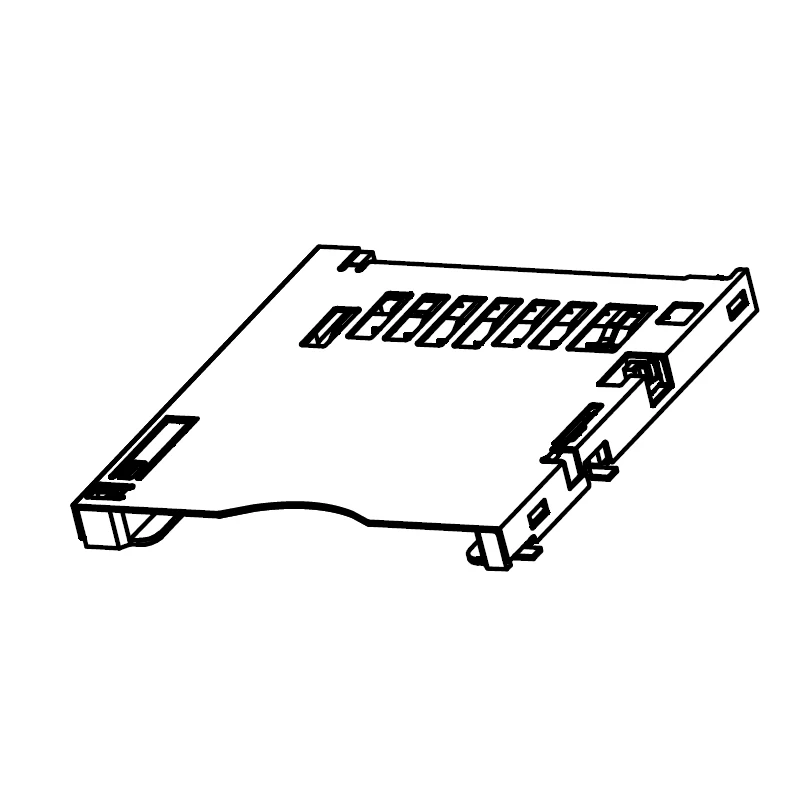 7SDCN-F0-0026SD CONN REVERSE TYPE PUSH PUSH
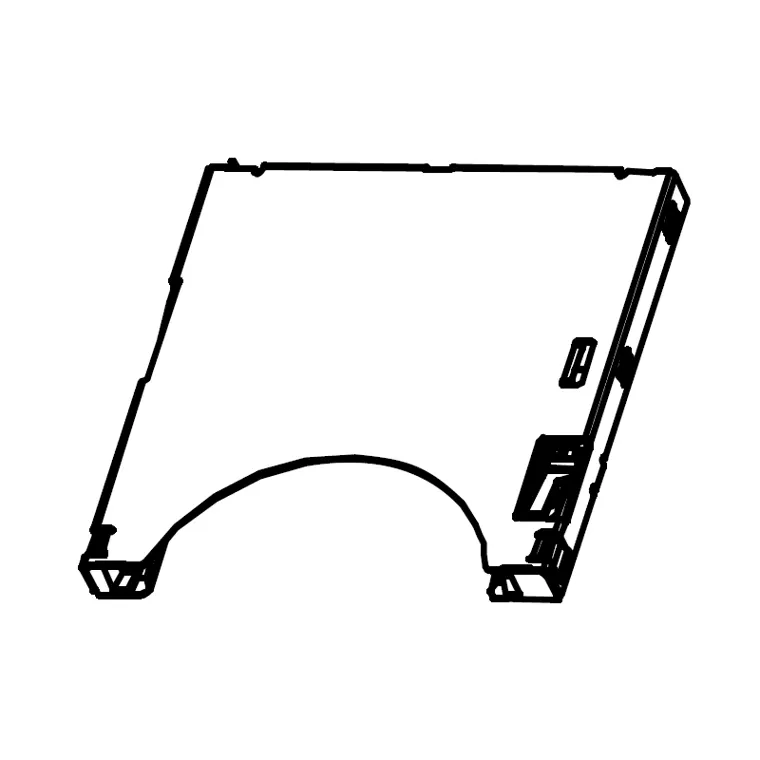 7SDCN-F0-0019SD PUSH LOCK CONN
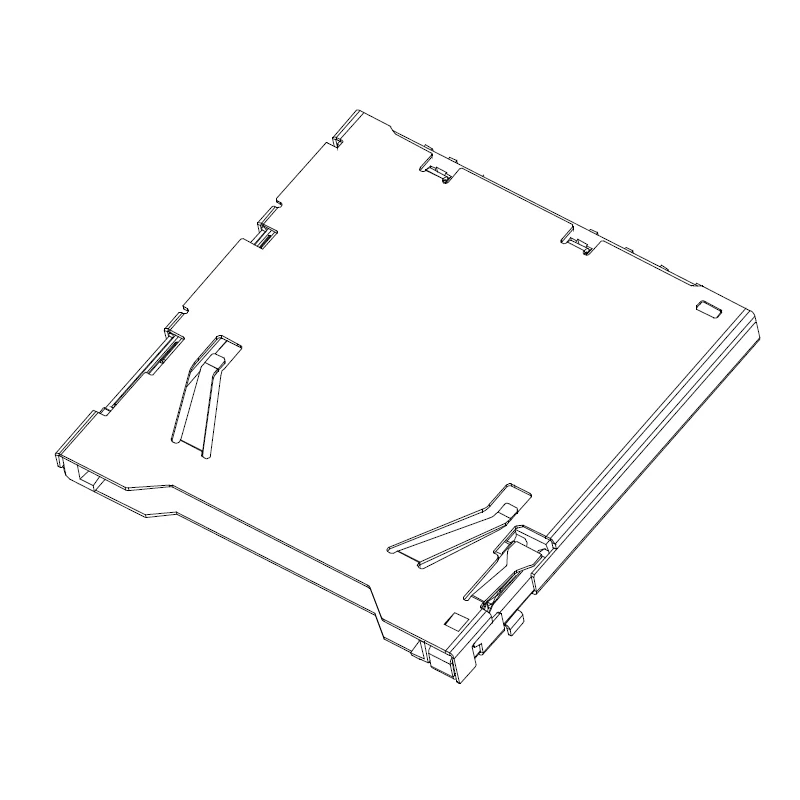 7SDCN-F0-0037SD PUSH H:2.7
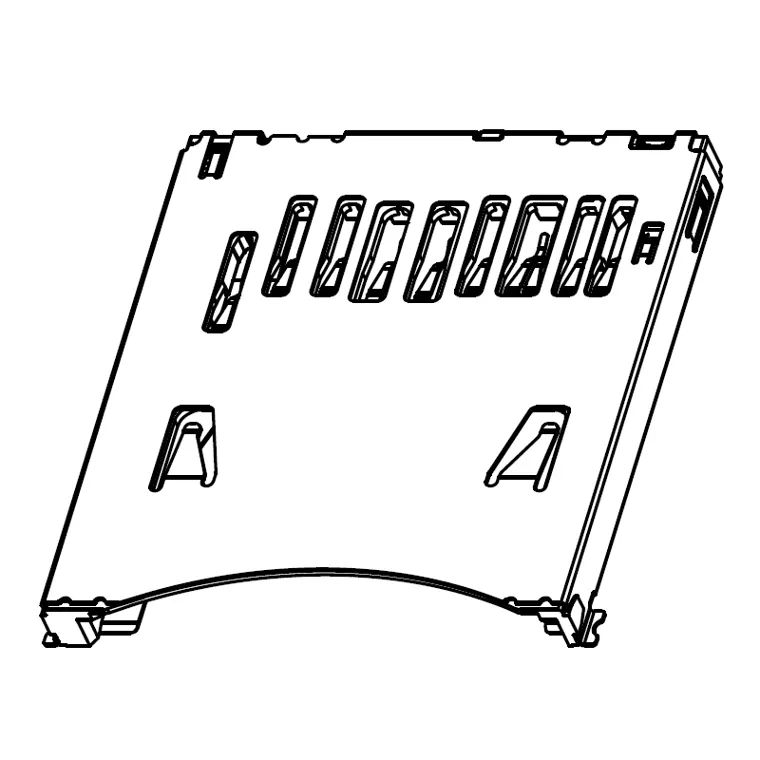 7SDCN-F0-0033SD CONN REVERSE H:2.95mm
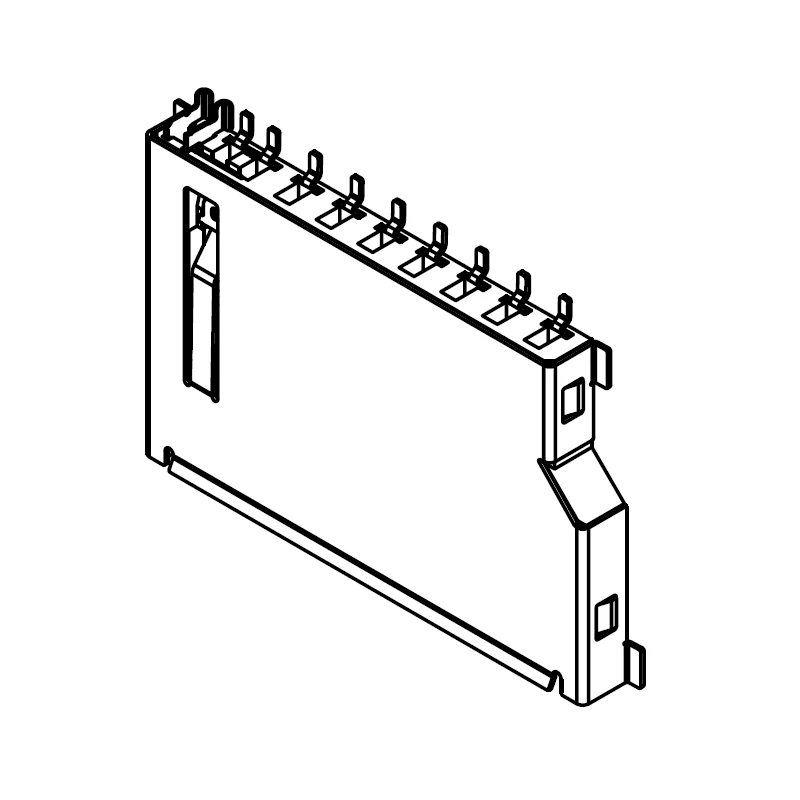 7SDCN-F9-0011Short side of SD card
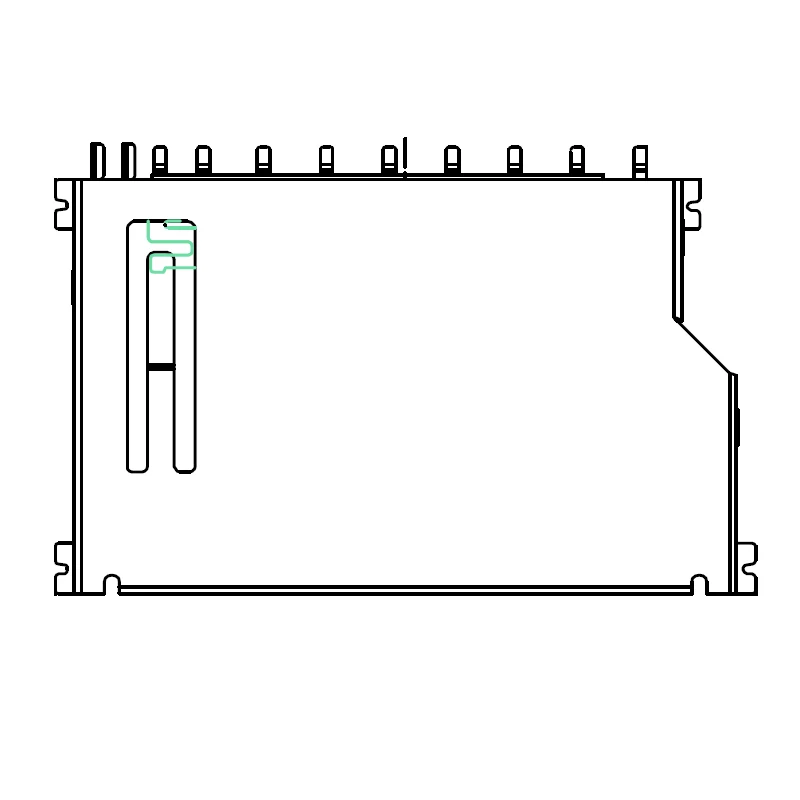 7SDCN-FA-0018SD Simple Type Socket
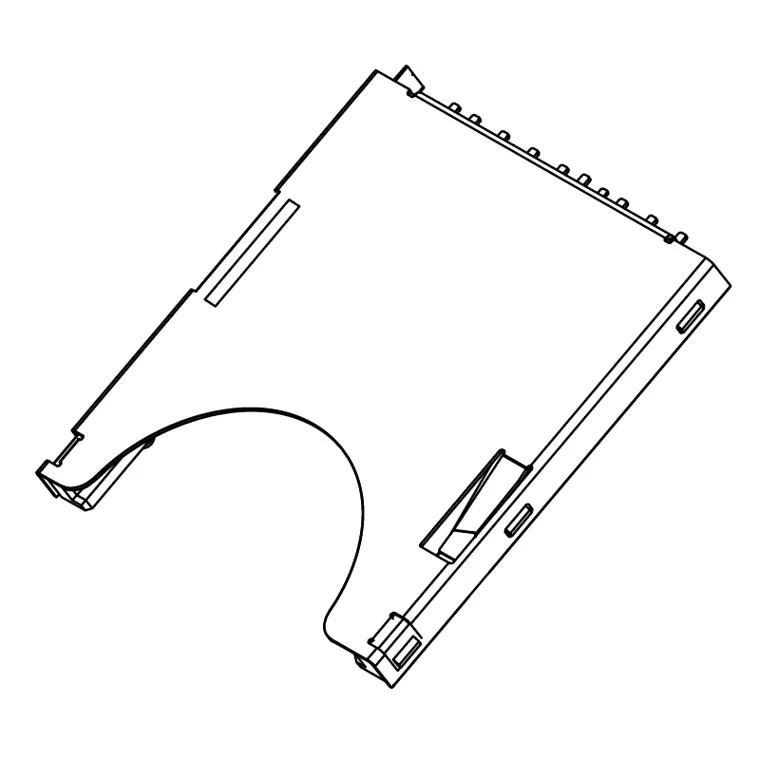 7SDCN-F0-0028SD PUSH G/F
Representative models from the 15-model SD series: push-push, push-lock, reverse and simple types. Every card links to its drawing and specification.
| Part number | Durability | Current | Withstand V | Temp. range | Drawing |
|---|---|---|---|---|---|
| 7SDCN-F0-1012 | 7SDCN-F0-1012 | ||||
| 7SDCN-F0-0037 | 10000 CYCLES | 0.5A MAX | 500V AC 1 MINUTE | -25°C~85°C | 7SDCN-F0-0037 |
| 7SDCN-F0-0026 | 10,000 times | 0.5 A | 500V AC | 7SDCN-F0-0026 | |
| 7SDCN-F0-0033 | 0.5 A | 500 VAC/1MINUTE | -25°C~+85°C | 7SDCN-F0-0033 | |
| 7SDCN-F0-0019 | 10000 cycles | 0.5 A | 500 VAC/1minute | -20°C~+65°C | 7SDCN-F0-0019 |
| 7SDCN-F9-0011 | AC/DC 0.5A | AC 500V PER MINUTE | -25° C ~ +85° C | 7SDCN-F9-0011-A |
Standard SD models use 1.00mm contact pitch (2.50mm on specific rows), copper-alloy contacts and UL94V-0 housings, RoHS compliant, and each published value carries its source drawing number.
Shortlist and RFQ
Compare models on the SD and SD 4.0 series pages — every model card pre-fills an RFQ email — or send your height limit and durability class to service@kingconn.com.tw.