Smart card reader contacts live the hardest life of any card connector — inserted by the public every day for years — so the value that matters is durability: KINGCONN smart card parts are published at 100,000 minimum mating cycles. Catalog models are 2.54mm contact pitch at 1.4mm and 3.5mm profile. Contact numbering follows ISO/IEC 7816-2; KINGCONN values come from the part drawings.
What the drawing has to say
| Value | Published | Why |
|---|---|---|
| Durability | 100,000 cycles minimum | the heaviest duty of any card connector: the public inserts daily, for years |
| Contact pitch | 2.54 mm | follows the existing grid of the IC card contact area |
| Profile height | 1.4 mm and 3.5 mm | the low profile serves slim terminals and embedded reader modules |
| Positions | 8 (C1–C8) | contact numbering per ISO/IEC 7816-2 |
Footprint and profile
The low-profile version suits slim terminals and embedded reader modules. Check the card insertion geometry against the enclosure early — the slot sets the front-panel opening, and that is not a decision you can revisit after tooling.
Card detect and switch polarity
Most reader designs need to know whether a card is seated. Normally-closed and normally-open switch versions both exist; firmware logic follows the part, so confirm the switch type on the drawing during selection. For the C1–C8 contact functions see the SIM card pinout guide, which shares the same standard.
KINGCONN smart card connectors
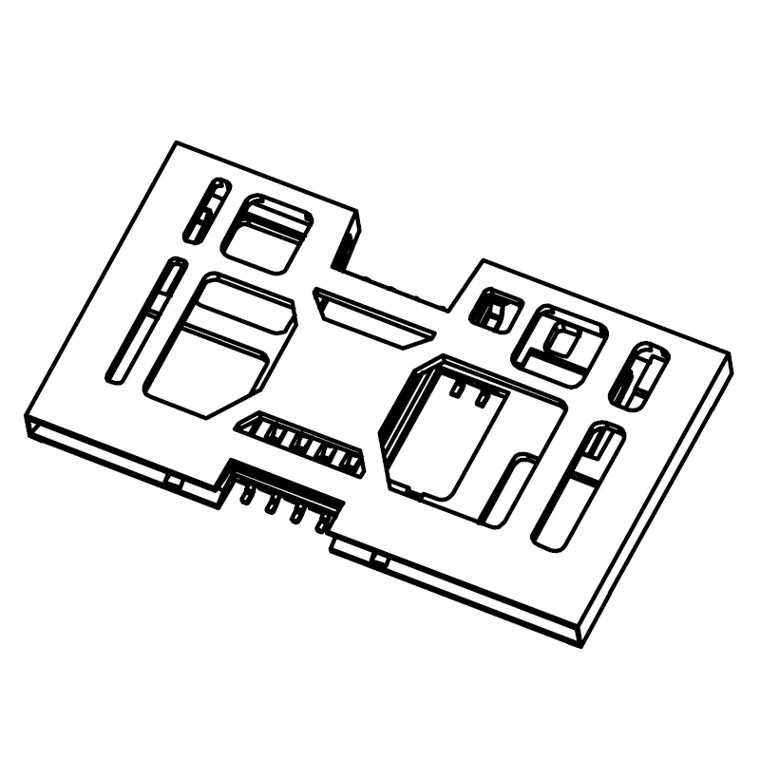 7SCCN-F0-0002SMART CARD CONNECTOR
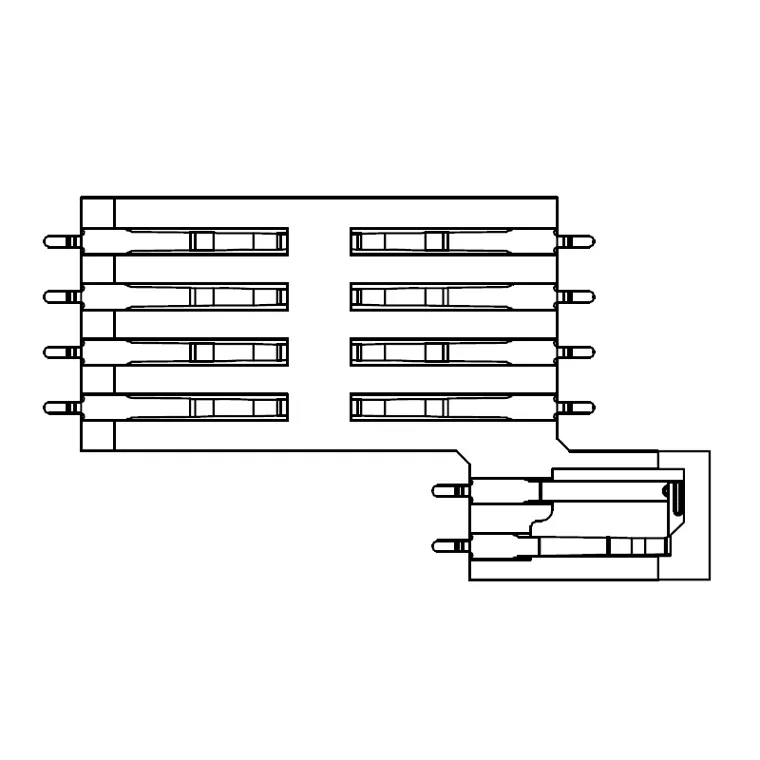 7SCCN-F0-0003Smart Card Right-Hand Socket H1.4
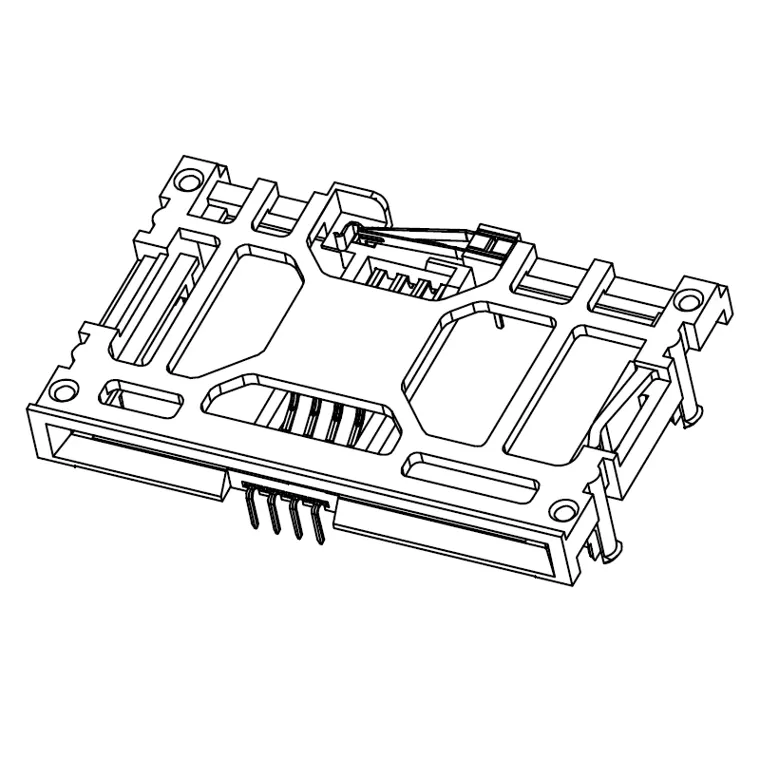 7SCCN-F0-0007Integrated IC Card Socket, Normally Closed, Short Pins, No
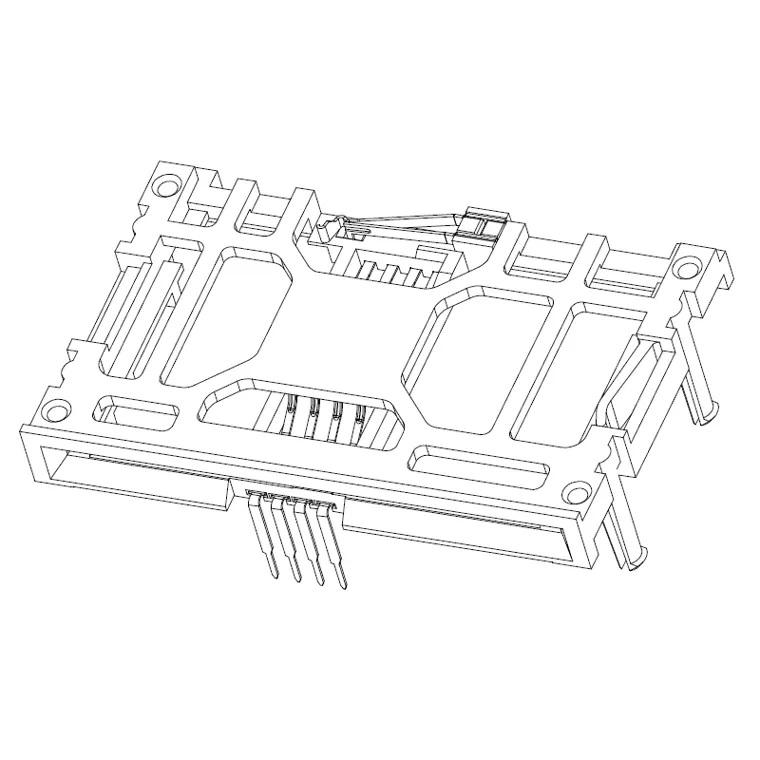 7SCCN-F0-0035IC CARD H:3.5mm
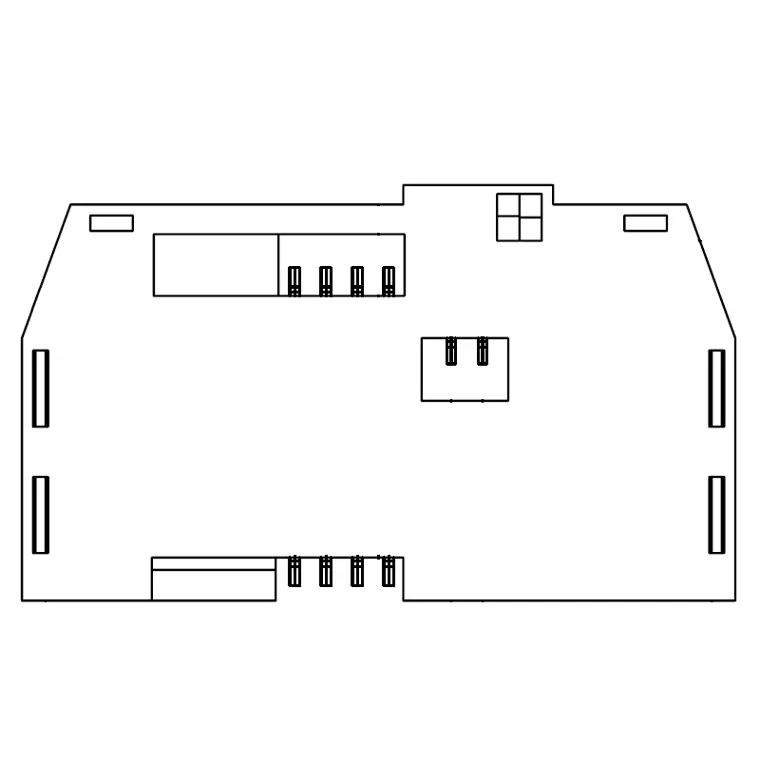 7SCCN-C0-0016Smart CARD CONNECTOR(SMT Type)
Smart card / IC card connectors: standard and low-profile bodies, normally-closed short-leg and 3.5mm versions.
| Part number | Height (mm) | Pitch (mm) | Drawing |
|---|---|---|---|
| 7SCCN-F0-0003 | 1.4 | 2.54 | 7SCCN-F0-0003 |
| 7SCCN-F0-0007 | 2.54 | 7SCCN-F0-0007 | |
| 7SCCN-F0-0035 | 3.5 | 2.54 | 7SCCN-F0-0035 |
Materials and RFQ
Housings are LCP or high-temperature thermoplastic rated UL94V-0 with phosphor bronze contacts, RoHS compliant, and every published value carries its source drawing number. See the Smart series page, or send your reader type, actuation count and profile limit to service@kingconn.com.tw.