3 situations lead to a custom connector: a footprint or height the catalog does not have, a discontinued part whose product still ships, and a design where the tooling must belong to the supplier. These are the cases the KINGCONN ODM series exists for — designed in Taoyuan, produced in Suzhou, tooling made and owned in-house under a quality system registered to ISO 9001:2015.
When the catalog cannot solve it
| Situation | What is happening | What to send |
|---|---|---|
| A footprint or height the catalog does not have | mechanical or electrical needs fall outside the catalog | the engineering drawing, or the mating side plus board constraints |
| Discontinued but the product still ships | the original supplier stopped, the board cannot change | the original part number, drawing or a physical sample |
| Tooling must belong to the supplier | no subcontracting, traceable quality responsibility | the specification and a volume estimate |
How a project runs
| Stage | What happens | What you get |
|---|---|---|
| 1. Evaluation | is existing tooling enough / cost to modify / cost and lead time for new tooling | all 3 answers together, not just "yes we can" |
| 2. Drawing sign-off | footprint, mating interface, materials and electrical | the tighter the mating interface, the faster the quote |
| 3. Samples | from production tooling, not a prototyping service | you validate real parts before volume |
| 4. Production | designed in Taoyuan, produced in Suzhou, ISO 9001:2015 | the same system as the catalog families |
The evaluation answers 3 questions at once rather than just confirming feasibility, because the cost and lead time of tooling is usually what decides whether the project happens at all.
ODM work
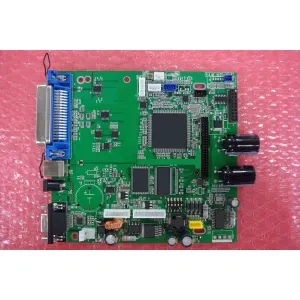 01Product Inquiry
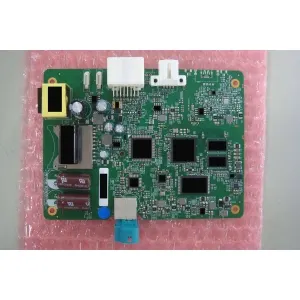 02Product Inquiry
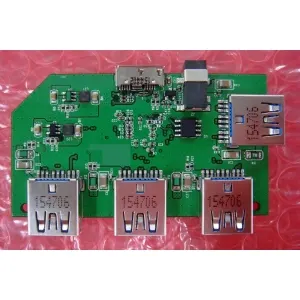 03Product Inquiry
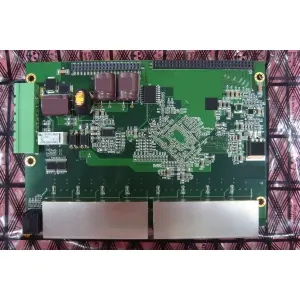 04Product Inquiry
 05Product Inquiry
 06Product Inquiry
Custom connector development: parts built to customer drawings and footprints.
Second source for a discontinued part
For a discontinued connector — or any part you want quoted, using the second source finder — the goal is that your board does not change: same footprint, same mating interface. Send the original part number or drawing to service@kingconn.com.tw; where existing tooling covers it, supply comes from catalog capacity, and where it does not, the custom route above applies. Existing cross-references are listed in the cross-reference table.